Choosing The Right Social Platform For Your Small Business

By Manon Kugler · · 5 min read

For small businesses, social media can be one of the most powerful and cost-effective marketing channels available. But with so many platforms competing for attention TikTok, Instagram, YouTube, Facebook, LinkedIn, Pinterest, it’s easy to feel overwhelmed. The reality is simple: you don’t need to be everywhere. The key is choosing the platform where your audience spends time and where your content can perform best. In this guide, we’ll walk through how small businesses can choose the right platform, based on audience, content type, and marketing goals.
1. Start With Your Audience, Not the Platform
The biggest mistake small businesses make is choosing a platform based on popularity instead of relevance.
Before creating accounts, answer three key questions:
- Who is your ideal customer? (age, profession, interests)
- Where do they already spend time online?
- What type of content do they consume most?
For example:
A local plumbing company, for instance, will likely see better results on Facebook than TikTok, because homeowners actively search local service providers there.
2. Understand What Each Platform Is Best For
Each social platform rewards different types of content and audience behavior. Choosing the right one means aligning your business strengths with the platform’s algorithm.
TikTok: Best for Fast Growth and Discovery
TikTok has become one of the most powerful platforms for organic reach. Its algorithm prioritizes engaging content over follower count, meaning small businesses can go viral quickly.
Best for: brands that can create entertaining, authentic short videos.
Why it works:
- Powerful discovery algorithm
- High organic reach potential
- Authentic content beats polished ads
Content types that perform well:
- Behind-the-scenes videos
- Product transformations
- Quick tips or hacks
- Founder stories
Example: A small skincare brand might post short educational videos like “3 mistakes people make when washing their face.” View video example here .
Instagram: Best for Visual Branding
Instagram remains one of the strongest platforms for building a brand identity. With a mix of Reels, Stories, and posts, businesses can create both discovery and community engagement.
Best for: visual brands, lifestyle products, food, fashion, beauty, travel.
Why it works:
- Strong visual storytelling
- Product discovery through reels and explore
- Built-in shopping features
Content types that perform well:
- Reels
- Before/after photos
- Product demonstrations
- User-generated content
Example: A boutique clothing store can showcase outfits through Reels, product photos, and influencer collaborations. View video example h ere .
YouTube: Best for Long-Term Growth
YouTube is more than a social platform, it’s the second largest search engine in the world. Content can continue generating traffic for months or years.
Best for:
- Tutorials
- Educational content
- Product reviews
- Thought leadership
Content that performs well:
- How-to tutorials and educational videos
- Product reviews and comparisons
- Step-by-step guides
- “Top 10” or list-style videos
Example: A small fitness coach could post videos like “10-minute home workout for beginners.” View video example here .
Facebook: Best for Local Businesses and Communities
While Facebook’s organic reach has declined over time, it still remains valuable for local marketing and community engagement.
Best for: local businesses and community engagement.
Why it works:
- Local groups drive discovery
- Events and promotions perform well
- Ideal for targeting older demographics
Effective uses:
- Local promotions
- Community updates
- Customer testimonials
- Events and offers
Example: A landscaping company can post project photos, seasonal tips, and local promotions. View pictures here.
Pinterest: Best for Product Discovery
Pinterest functions more like a visual search engine than a traditional social platform, where users actively search for inspiration, ideas, and products.
Best for: home decor, food and recipes, DIY and crafts, weddings, and lifestyle brands.
Why it works:
- High purchase intent from users planning projects or purchases
- Pins can generate traffic for months or years
- Strong visual discovery through search and recommendations
Effective uses:
- Product inspiration boards
- Step-by-step tutorials
- Idea lists and guides
- Linking pins directly to product pages
Example: A home decor brand can create pins like “Modern Living Room Ideas” featuring styled spaces that link directly to their furniture or decor products. View pin example here.
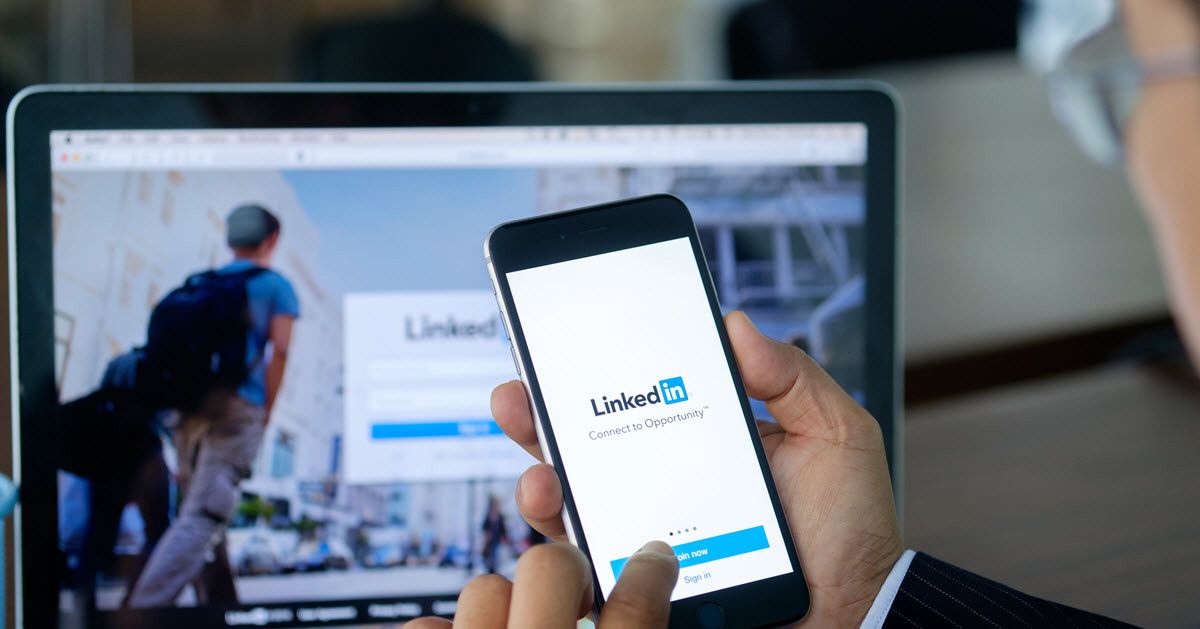
LinkedIn: Best for B2B Marketing and Professional Networking
LinkedIn is the leading platform for professional networking, making it especially valuable for B2B companies and service-based businesses looking to build credibility and reach decision-makers.
Best for: B2B companies, consultants, professional services, and industry experts.
Why it works:
- Access to professionals and business decision-makers
- Strong platform for thought leadership
- Content can reach large audiences through professional networks
Effective uses:
- Industry insights and expert advice
- Case studies and success stories
- Company updates and milestones
- Professional tips and educational content
Example: A marketing consultant might share short posts with industry insights, campaign results, or marketing tips to position themselves as a trusted expert and attract potential clients.
3. Final Tips for Choosing the Right Platform
Evaluate Your Resources
Many small businesses fail on social media because they underestimate the time required.
Before choosing a platform, ask:
- Can you post 3–4 times per week consistently?
- Do you have the ability to create video content?
- Who will manage comments and messages?
If your team is small, focusing on one primary platform and one secondary platform is usually the best strategy.
Example structure:
Primary platform: audience growth Secondary platform: credibility and brand presence
Consider Your Business Goals
Different platforms support different marketing objectives.
The best strategy is aligning platform + content + goal.
Start With One Platform First
Instead of trying to manage multiple channels, start with one platform and master it.
Growth strategy:
- Choose the platform where your audience is strongest
- Post consistently for 90 days
- Track engagement and follower growth
- Double down on content that performs
- Expand to a second platform once momentum builds
One well-managed platform often outperforms several poorly managed ones.
Example:
YouTube → repurpose clips to TikTok and Instagram
TikTok → repurpose to Instagram Reels
Analyze Competitors
Your competitors can reveal which platforms work best in your industry.
Look at:
- Where they post most often
- Which content gets the most engagement
- What formats they use (video, tutorials, carousels)
These insights help identify opportunities to differentiate your brand.
Note: Online traffic and engagement numbers are typically Public Estimates and may not reflect exact figures.
To quickly discover competing brands in your space, you can use this Free Competitor Finder Tool from Semrush.
Final Thoughts
Choosing the right social media platform isn’t about following trends, it’s about finding the channel where your audience, content style, and business goals align.
For most small businesses, success comes from:
- Understanding their target audience
- Choosing 1–2 core platforms
- Creating consistent, valuable content
- Testing and optimizing based on data
Social media growth takes time, but when the right platform is chosen, it can become one of the most powerful drivers of awareness, community, and sales for your business.
Good luck!